.png)

Daily Scope / Jul 29, 2026
Market Shifts: XRP Struggles Amidst Broader Crypto Dynamics
Ripple's XRP sees a notable decline as the crypto market reacts to regulatory news and shifting trader sentiments. Meanwhile, Bitcoin grapples with potential Federal Reserve surprises.
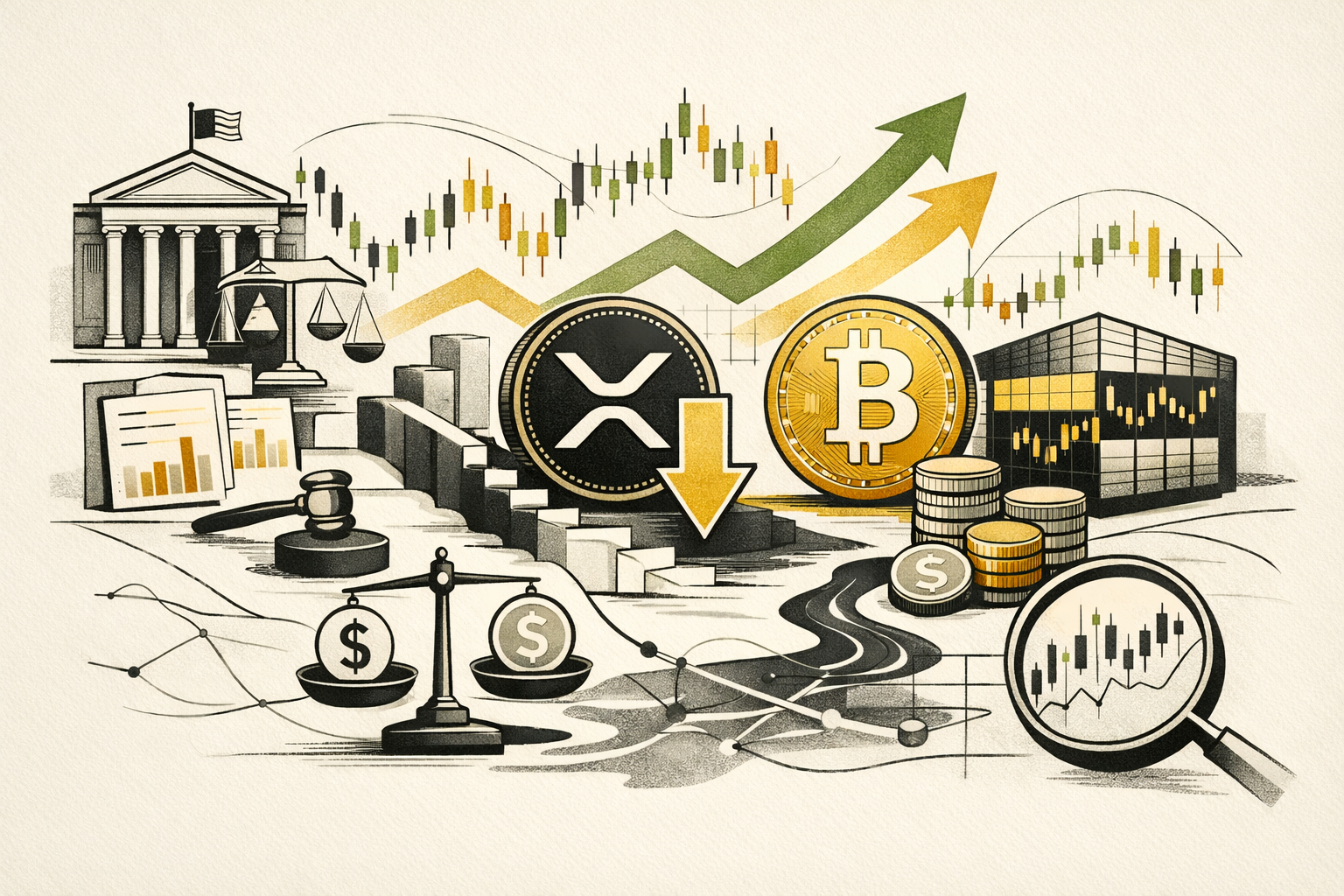
XRP's Unexpected Decline
Despite a positive sentiment surrounding XRP ETFs just a day prior, Ripple's XRP experienced a 4.5% decline. This sharp downturn raises questions about market sentiment and the underlying factors influencing trading behavior. The apparent contradiction between the ETF performance and XRP's price suggests deeper market complexities at play.
Factors contributing to XRP's decline could include profit-taking by investors or broader market trends that affect cryptocurrencies differently. As traders react to the latest news and regulatory developments, XRP's price movement underscores the fragility of confidence in this digital asset, even amidst seemingly favorable conditions.
Flare's Ambitious Plans for Bitcoin Integration
As Ripple faces its challenges, Flare Networks is setting its sights on Bitcoin with plans for FBTC integration. This move could signal a significant shift in the DeFi landscape, particularly for Bitcoin holders looking to leverage their assets in new ways. Flare's recent surge of 150 million FXRP indicates a growing interest in expanding the use cases for Ripple's technology.
The integration of Bitcoin into Flare's ecosystem could attract a broader audience to DeFi, potentially enhancing liquidity and usability. However, the success of such initiatives will depend on the broader acceptance of DeFi protocols and the willingness of Bitcoin holders to engage with new platforms.
Ripple's Stablecoin Launch in South Korea
In a notable development, Ripple's RLUSD stablecoin has been listed on South Korea's largest exchange, allowing traders to engage with it through various trading pairs. This move could enhance Ripple's visibility in the Asian market, providing an opportunity for increased adoption of its stablecoin solutions.
The listing not only adds to Ripple's portfolio but also reflects the growing interest in stablecoins as alternatives to traditional fiat currencies. The success of RLUSD will depend on its usability and the broader acceptance of stablecoins in the crypto ecosystem, particularly in markets like South Korea where regulatory frameworks are increasingly supportive.
Bitcoin’s Vulnerability amid Fed Uncertainty
Bitcoin has recently displayed volatility, dropping over 3% as traders brace for potential changes from the Federal Reserve. The lack of guidance from the Fed, particularly under new leadership, has left many in the crypto space feeling uncertain about future monetary policy. This uncertainty can lead to rapid shifts in market sentiment, impacting Bitcoin's price dynamics significantly.
As Bitcoin struggles to maintain stability, the interconnectedness of crypto assets becomes evident. With ETF outflows and changing investor sentiments, Bitcoin's position as a market leader is being tested. Traders must navigate these uncertainties carefully, as the potential for surprise rate hikes could further complicate the market landscape.
ETF Trends: Diverging Paths for Bitcoin and Ethereum
Recent trends have shown a stark contrast between Bitcoin and Ethereum ETFs, with Bitcoin experiencing significant outflows while Ethereum funds enjoy a streak of inflows. This divergence raises questions about investor confidence and the shifting preferences within the crypto market. While Bitcoin's ETF struggles signal potential concerns, Ethereum's robust inflows suggest a growing appetite for its capabilities and use cases.
This trend not only reflects individual asset dynamics but also highlights the broader market's evolving narrative. As investors seek opportunities, the performance of ETFs may indicate where the market is headed, influencing trading strategies and asset allocation decisions moving forward.
Regulatory Developments and Their Impact
The recent confirmation of Jay Clayton, the former SEC chair who initiated the lawsuit against Ripple, as the U.S. Director of National Intelligence adds another dimension to the regulatory landscape. This development may influence how regulatory actions are approached in the future, particularly concerning cryptocurrencies and their classifications.
As regulations continue to evolve, the crypto market must adapt to these changes. The implications of Clayton's new role could extend beyond Ripple, potentially affecting the broader market as authorities seek to navigate the complexities of digital assets.
Want More Unfiltered Insights?
View Latest Insights on X